7 Signs You Need New Gutters
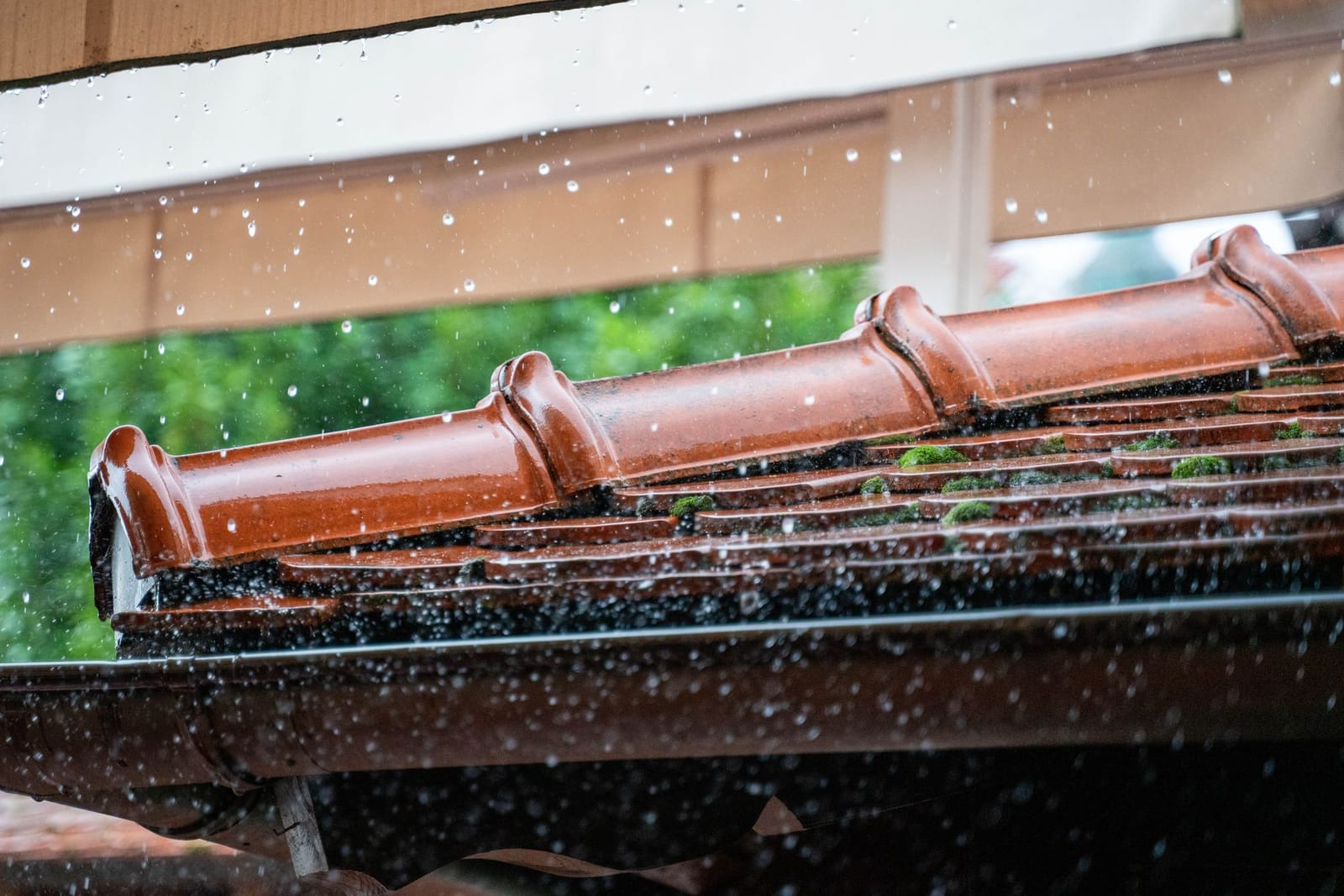
Your gutters work hard, especially here in the Raleigh area where we get steady rainfall and plenty of pine needles throughout the year. Most gutters last 20 to 25 years if they're maintained, but wear, weather, and debris buildup can shorten that lifespan. If you're wondering whether it's time to replace yours, these seven signs will help you decide.
The most obvious sign is visible rust or corrosion, particularly on steel gutters. If you see orange or brown staining on the gutter itself or dripping down your fascia board, that's a red flag. Rust eats through metal gutters from the inside out, and once it starts, it spreads quickly. Aluminum gutters don't rust the same way, but they can develop pitting or chalky discoloration that signals deterioration.
Look for cracks or splits along the gutter runs. Small cracks might seem minor, but North Carolina's temperature swings—especially in spring and fall—cause metal to expand and contract, making those cracks grow. Water will find its way through, and you'll end up with moisture problems in your fascia, soffit, or even your home's interior walls.
Sagging or pulling-away gutters are another clear indicator. If your gutters are visibly drooping or separating from your roofline, they're no longer sloped correctly to move water toward the downspouts. This happens when fasteners loosen, the gutter material weakens, or the weight of debris and standing water becomes too much. Sagging gutters will eventually fail completely and can damage your home's exterior.
Pay attention to water damage on your home's exterior. If you notice staining on your siding, peeling paint on your fascia, or water marks below the gutter line after heavy rain, your gutters aren't doing their job. The Triangle gets enough rainfall that proper water management is essential—water pooling or overflowing at ground level can lead to foundation issues or basement moisture over time.
Frequent overflow during normal rainstorms is a sign that your gutters are either clogged, too small for your roof, or damaged. While pine needles and debris contribute to clogs, overflow can also mean the gutter system itself is failing. If you're cleaning them regularly but water still spills over the edges, replacement might be more cost-effective than constant maintenance.
Visible holes or punctures in the gutter body mean water is leaking straight through. These can develop from impact damage, rust, or simply age. Even small holes allow water to escape behind your gutters, potentially causing rot in your fascia board—a repair that costs far more than gutter replacement.
Finally, if your gutters are older than 20 years and showing any combination of these signs, it's worth considering replacement. Modern gutter materials like aluminum or copper are more durable and require less maintenance than older steel systems. If you live in Raleigh, Cary, Wake Forest, Garner, Morrisville, Knightdale, or Henderson, a professional gutter inspection can give you a clear picture of what you're working with.
Don't wait until a problem becomes a bigger (and more expensive) issue. Contact a local gutter professional for a free estimate and honest assessment of your system. They can help you understand whether repair or replacement makes sense for your home and budget.
Dealing with this in the Triangle? Call (984) 229-8236 for a free gutter company estimate.